
FOR OVER A DECADE THE WORLD EVANGLEICAL ALLAINCE AND ITS AFFILIATED ORGANIZATIONS HAVE REVEALED GREAT OPENNESS ABOUT THIER ALIGNMENT WITH AND ALLOWING UN GLOBAL GOALS TO DETERMINE THEIR “MINISTRY” VISION. IN JANUARY 2024 WEA PARTICPATED IN “FAITH IN ACTION” EFFORTS FOR WEF WITH OTHER FAITH BASED ORGANIZATION. NOW WEA IS LOCKSTEP WITH PRESS RELEASES ON THE SAME DAY WITH WEF FOCUS ON EQUITY, CLIMATE CHANGE AND THE SDG OUTCOMES FOR AFRICAN NATIONS.
Rev.Thomas Littleton
12/1/2024
WORLD ECONOMIC FORUM END OF YEAR FOCUS ON AFRICA.
Africa
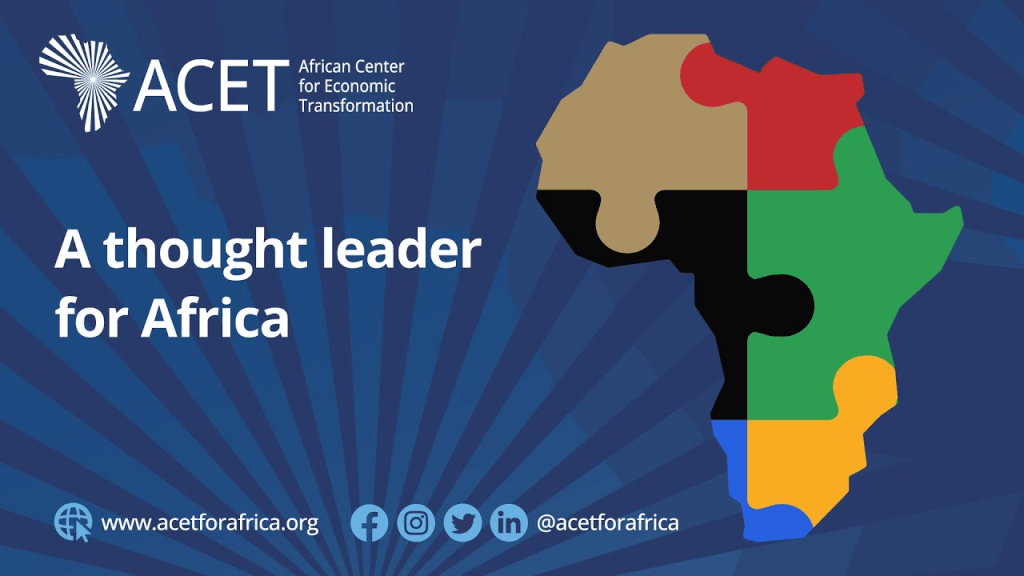
“Curation: African Center for Economic Transformation (ACET)”
“Africa is home to a relatively young population of more than one billion people, equipped with fast-developing digital capability. In the wake of the worst of the COVID-19 pandemic, the continent has had to endure knock-on effects of Russia’s invasion of Ukraine as it seeks to ensure sustainable economic growth and job creation – while also focusing on climate resilience. In order to truly unlock its potential, Africa is seeking to collectively zero in on improving government accountability, strengthening skills development, increasing access to digital tools and financial services, enhancing security, and bolstering gender equality.”
“This briefing is based on the views of a wide range of experts from the World Economic Forum’s Expert Network and is curated in partnership with Edward K. Brown, Senior Director, Research and Policy Engagements, John Asafu-Adjaye, Resident Senior Fellow, Richmond Commodore, Economist, and Sibulele Ngomane, former Senior Analyst, at the African Center for Economic Transformation (ACET).”
Curation
“Created by African Center for Economic Transformation (ACET), licensed for personal/academic use only, not for reproduction.”
© 2024 World Economic Forum.
FUNDING PARTNERS
These funding partners most often ovelap into the NGOs and Faith Based Partners with which groups like the WEA hold sway. As is well documented -Rockefeller, Gates and Soros -other dark and Global Goals agenda driven money has been flooding into evangleical organizatiosn for a decades.
NOTE:



WEA IN JANUARY 2024 JOINED WORLD ECONOMIC FORUM “FAITH IN ACTION”
WEA contributes to World Economic Forum report released at Davos on faith and business
“The World Evangelical Alliance has been recognized as one of the key contributors to Faith in Action, a report released on January 17 by the World Economic Forum (WEF) on how faith-based entities and businesses are developing partnerships that are addressing today’s global crises.”… “The World Economic Forum engages with more than 100 religious leaders, faith-based organizations, interfaith groups, multi-faith networks and experts on religion. Sangokoya said that the Forum is pleased to have developed a community of dialogue around issues of faith and business, and that it will seek to grow and nurture that community during 2024.”
“The WEA looks forward to ongoing participation in the World Economic Forum faith and business community and to bringing many evangelical-led businesses and organizations into the discussion as well.”
From climate change to gender parity, the World Economic Forum has identified 10 key global challenges that require collaboration across different sectors to crack. This paper looks at how faith interacts with each.
The Role of Faith in Addressing Key Global Challenges: This first-of-its-kind 2-pager is authored by the Archbishop of Sweden, Antje Jackelén, together with Prof. Linda Woodhead (UK) and Brian Grim (US), and input from Council members. WEF )
GOING INTO 2025- WE CLEARLY SEE -MORE OF THE SAME GLOBAL DECEPTION AS
WORLD EVANGELICAL ALLIANCE AFRICA PRESS RELEASE ON THE SAME DAY AS WEF .
“Dear fellow participants in God’s mission,
“Grace and peace to you in the name of the Lord Jesus Christ.”
“This report presents key findings from a research project investigating how churches in Southeastern Africa are responding to crises. The research team, under the leadership of Focus Team Leadership Training, and in partnership with the University of Pretoria and other networks, embarked on a 72-day road trip across Southeast Africa, engaging with church leaders, community organisers, and various stakeholders. The goal was to listen, learn, and better understand contextual approaches and responses to crises.“
1. The Church as a Central Actor in Crisis Response:
“Across all regions, the Church was consistently identified as a central institution in responding to crises. This is due to several factors:”
- Trusted Institution: The Church is often seen as a trusted entity within communities, making it a natural point of contact during times of need.
- Existing Infrastructure: Churches often have existing infrastructure and resources, such as buildings and social networks, that can be leveraged during crises.
- Moral Authority: Church leaders are often looked to for guidance and support, particularly in situations where traditional leadership structures have been disrupted.”
3. The Need for Collaboration and Partnerships:
“Collaboration with other organisations and stakeholders is crucial for effective crisis response. This includes partnering with:
- Government agencies: To access resources and support.
- NGOs: To leverage specialised expertise and resources.
- Other churches and faith-based organisations: To share resources and coordinate efforts.
This approach proved to be highly effective for several reasons:”
- “Creating Safe Spaces for Sharing: Storytelling creates a safe and relatable space for individuals to share their personal experiences and perspectives. When people share their stories, they become more vulnerable and authentic, leading to deeper conversations and a greater understanding of the complexities of crises. This is particularly important in contexts where individuals might feel hesitant to express their thoughts or feelings openly.”
- “Eliciting Diverse Perspectives: Storytelling allows for a wide range of perspectives to be heard. Each individual’s story offers a unique window into the realities of crisis, providing a more nuanced and comprehensive understanding of the challenges faced by communities. This approach ensures that the research captures the diverse experiences and interpretations of crisis and resilience across different regions and demographics.”
- “Fostering Empathy and Understanding: Listening to others’ stories fosters empathy and understanding among participants. It allows individuals to connect on a human level, transcending differences in backgrounds and experiences. This empathy is essential for building bridges between communities and fostering collaborative responses to crises.”
- “Uncovering Systemic Issues: Personal stories often reveal underlying systemic issues that contribute to crises. By listening to individual narratives, researchers and community leaders can identify patterns and trends that point to broader societal challenges. This understanding is crucial for developing effective long-term solutions that address the root causes of crises.”
- “Empowering Communities: The act of sharing stories can be empowering for individuals and communities. It allows people to reclaim their narratives and find meaning in their experiences. By sharing their stories of resilience, individuals can inspire others and contribute to a collective sense of hope and strength.
- Co-creating Solutions: Storytelling can facilitate the co-creation of solutions. By sharing their experiences and perspectives, communities can collectively identify challenges, brainstorm ideas, and develop strategies that are relevant and effective in their specific contexts.
The success of the storytelling approach is evident in several aspects of the research project:”
- “Healing and Validation: The process of storytelling and sharing experiences was well received, and there was a sense of healing and validation among participants as they shared and listened to each other’s stories. This suggests that storytelling can be a therapeutic tool, helping individuals process their experiences and find solace in shared narratives.”
- “Organic Insights: The sessions that incorporated storytelling led to organic and meaningful insights that were not predetermined by the facilitators. This indicates that storytelling allows for a more natural flow of conversation, enabling participants to guide the discussion and uncover insights that might not have emerged through more structured methods.”
- “Enhanced Engagement: The facilitators observed that using storytelling, particularly referencing biblical narratives, effectively modelled the session’s objectives and encouraged participants to reflect and engage more deeply in the discussions. This highlights the power of storytelling to capture attention, evoke emotions, and make complex topics more relatable and accessible.”
THE JUSTICE, EQUITY AND INCLUSION NARRATIVES FILL- BOTH WEF WEA
1. Foster Inclusivity and Unity:
- “Create a “We” Mindset: Build a collaborative environment where all community members feel included and valued. Encourage open dialogue and relationship-building among church leaders and community members.
- Empower Women Leaders: Recognise the crucial role of women in leadership and actively promote their participation in decision-making processes.
- Promote Interdenominational Activities: Organise events, such as concerts, prayer meetings, and seminars that bring together leaders from different denominations to improve relationships.”
Ed Stetzer, David Platt of the Southern Baptist Convention and many other evangelical leaders – the WEF echoes the call to “Reimagine Missions ” meaning reallocation of Western Missions $$$ into the areas identified by the “equitable metrics” of WEF, The United Nations, and other Global Sustainable Development Goals (SDG) driven globalist and their organizations.
NOTE:
REIMAGINING MISSIONS: EVERYONE TO EVERYWHERE
Posted by Jay Matenga | Oct 10, 2024 | Articles, Featured, News, Reimagining Missions
A group of missions leaders from the Majority World met immediately following Lausanne 4 under the banner of a new movement with the acronym COALA. This essay is MC Executive Director Jay Mātenga’s presentation to that forum, calling for a rethink on the concept of “polycentric missions”.
CONCLUSION
The World Evangelical Alliance might have been an independent organization at some point in its long history but it appears to be little m than a recruiting arm and extention of the Globalist right down to taking it’s upcoming focus and goals directives STRAIGHT FROM THE World Economic Forum. This is already shown in previous reports and looks further confirmed by both organizations putting out their African Focuse – press releases on the SAME DAY.
 thirtypiecesofsilverdotorg