Few other indicators of the broader evangelical decline are more pointed that the utter descent of Christianity Today into the gutters and ghettos of the far left. In 2018 the editors were endorsing and promoting the radical Revoice LGBTQ inclusion movement. CT pushed the #ChurchToo movement as well as CRT and BLM justifications.
CHRISTIANITY TODAY PROMISES TO MAKE YOU “MORE INFORMED”. BUY IT?
BEGGING TO BE PART OF THE “THOUGHTFUL COMMUNITY”?
This week Christianity Today promoted the death of Liberation Theology and lauded his influence. SOUNDS THOUGHTFUL !
“The Evangelical Legacy of Gustavo Gutierrez’s Liberation Theology”
“How the Peruvian priest influenced the fathers of integral mission.“
ACCUSING REMAINING CONSERVATIVE CHRISTIANS OF CONSTRUCTING A GOLDEN CALF WITH THEIR POLITICAL STAND.
Christianity Today
September/October 2024
Volume 68, Number 6
October 15, 1956
THIS GOLDEN CALF GRAPHIC CURRENTLY SERVES AT CT’S WALLPAPER ON SOCIAL MEDIA. ELECTION STORIES ALL FOLLOW A LEFTWARD AND ACCUSATORY BENT MUCH LIKE CURRENT EDITOR RUSSELL MOORE’S HISTORIC RHETORIC AGAINST CONSERVATIVE. CONVICTIONAL EVANGELICALS.
July/August, 2024
“Our September/October issue explores themes in spiritual formation and uncovers what’s really discipling us. Bonnie Kristian argues that the biblical vision for the institutions that form us is renewal, not replacement—even when they fail us. Mike Cosper examines what fuels political fervor around Donald Trump and assesses the ways people have understood and misunderstood the movement. Harvest Prude reports on how partisan distrust has turned the electoral process into a minefield and how those on the frontlines—election officials and volunteers—are motivated by their faith as they work. Read about Christian renewal in intellectual spaces and the “yearners”—those who find themselves in the borderlands between faith and disbelief. And find out how God is moving among his kingdom in Europe, as well as what our advice columnists say about budget-conscious fellowship meals, a kid in Sunday school who hits, and a dating app dilemma.”
CHRISTIANITY TODAY RUNS A STANDARD “3RD WAY” POLITICAL STORY FEATURING A DIVIDED CONGREGATION FROM THE PCA… POOR LOST CHRISTIAN VOTERS.
“How Can Evangelicals Navigate Political Tensions? Practice.”
“This campaign season, Christians have tried to proactively address political polarization—starting with tough conversations among themselves.”
“Emmaus Road Church in Appleton, Wisconsin, draws in around 200 faithful on a Sunday. It’s a mostly conservative Presbyterian Church in America (PCA) church; some congregants sport Donald Trump campaign signs on their cars or lawns, and others voted for Joe Biden in 2020.”
AS ALWAYS CHRISTIANITY TODAY IS A MAINSTREAM OUTLET FOR THE LAUSANNE MOVEMENTS GLOBALISM.
“Lausanne Theologians Explain Seoul Statement that Surprised Congress Delegates”
“Leaders of the 33-member Theology Working Group offer insight on their 97-point, 13,000-word declaration.”
RUSSELL MOORE BECOMING EDITOR IN CHIEF WAS A BOLD STEP TOWARD OBLIVION AND ERASING THE REMAINS OF WHAT READERSHIP THEY STILL HAD.
“Russell Moore became the editor in chief of Christianity Today on September 1, 2022:
BackgroundMoore was hired as a public theologian for the magazine after leaving the Ethics & Religious Liberty Commission. He has been a prominent evangelical Christian public voice for the past decade through his books, articles, podcasts, and public speaking.
RoleAs editor in chief, Moore is responsible for setting the vision and direction of the editorial team. He will also continue to advance the Public Theology Project, with Joy Allmond serving as editorial chief of staff to support him.
ReactionCEO Timothy Dalrymple said that Moore was chosen because of his courage to express his convictions and integrity to live by them.”
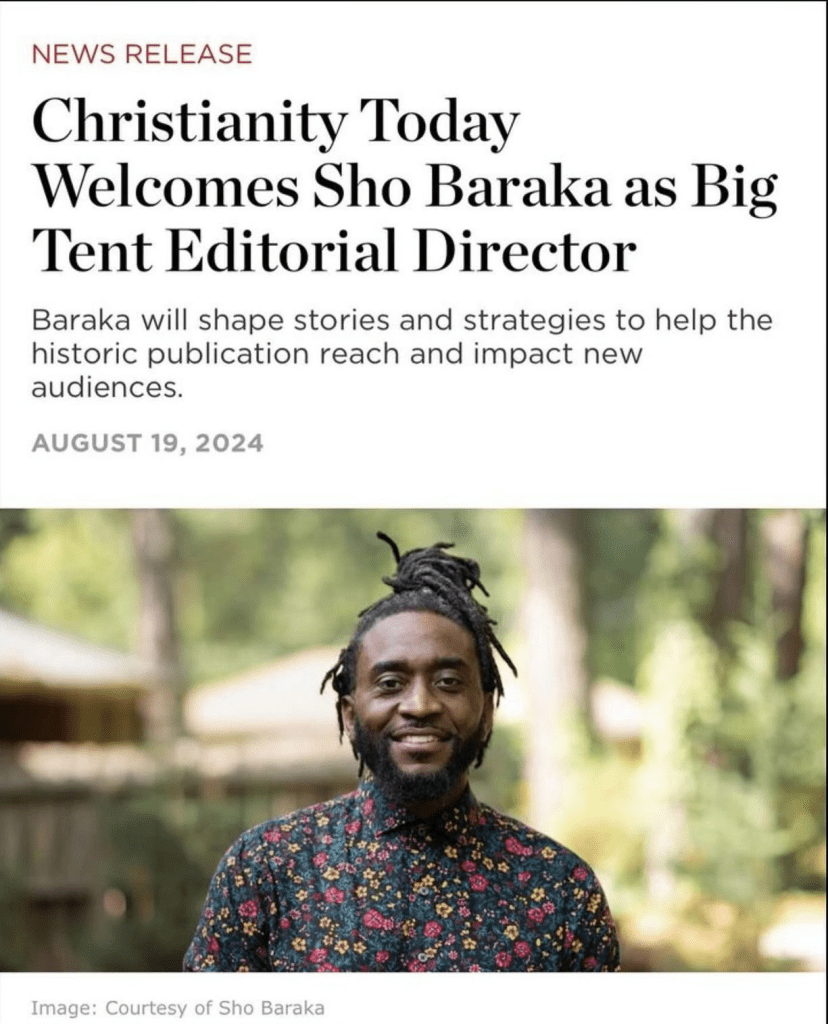
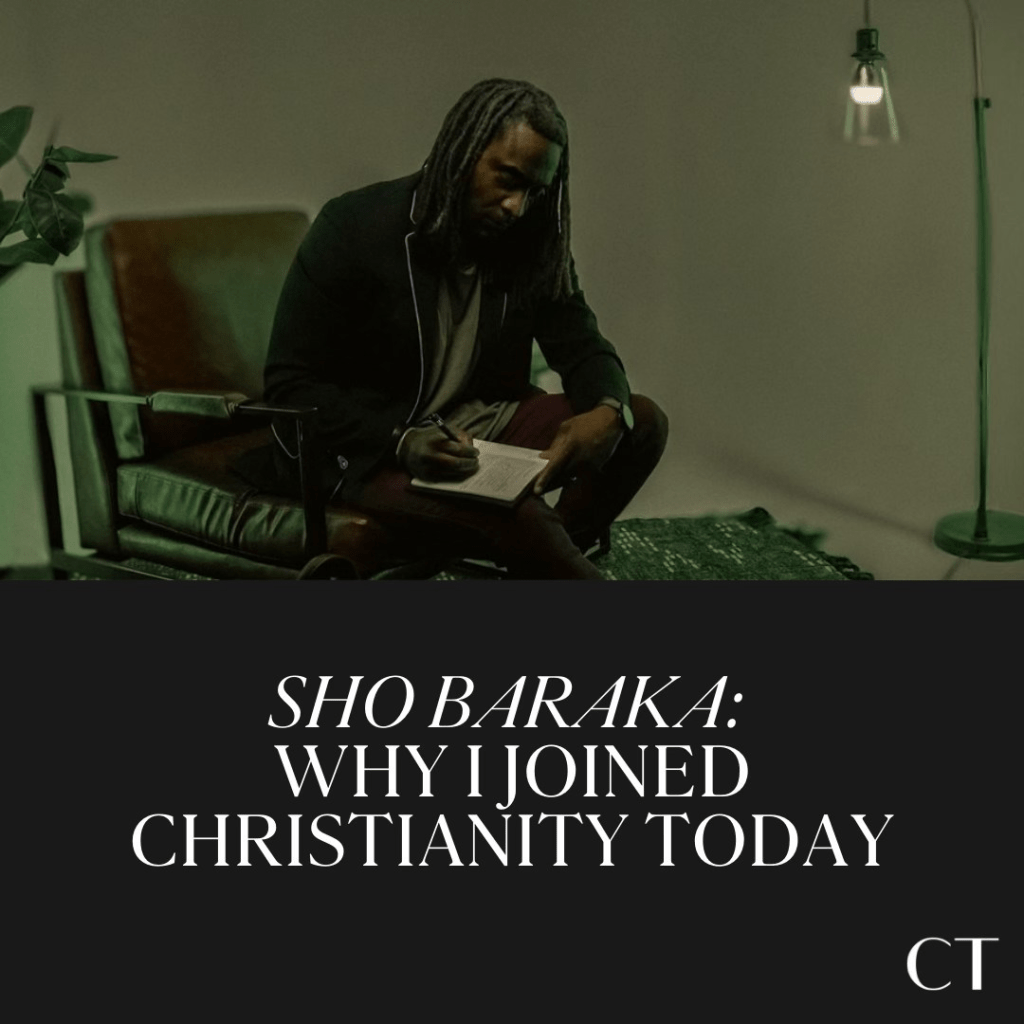
IN AUGUST 2024 THE “& CAMPAIGN” ACTIVIST AND OBAMA FOUNDATION ALLY AMISHO (SHO) BARAKA LEWIS JOINED CHRISTIANITY TODAY’S STAFF TO “REACH/IMPACT NEW READERS”
READ MORE ABOUT THE ” & CAMPAIGN” AND THE LEWIS BROTHERS ROLE IN THIS OBAMA FOUNDATION LED POLITICAL EFFORT WITH MANY TGC LEADERS, INCLUDING TIM KELLER, INVOLVED WHEN & CAMPAIGN WAS LAUNCHED.
American political landscape is divided but not because of the conservative Christians who are being accused by the media and “Christian” media BUT because the left is veering even farther left and because the media is owned by the left and Christian media is no different from secular media in its “Values” or its politics.
When convictional bible believers have had enough- they are not being divisive but reacting to inflitration in their own ranks and concern over the future of America and the Church, their own families and their FAITH when they see organizations like CT supposedly sepaeking for them adn to them and headed by the kinds of people now running the show.
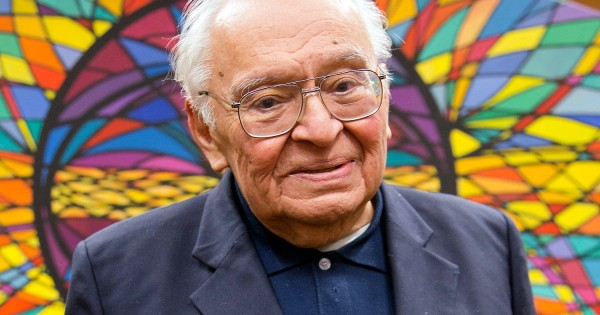
PERUVIAN Gustavo Gutiérrez HAS DIED IN A NURSING HOME IN LIMA PERU AFTER HIS REPUTATION HAD BEEN POLISHED AND PROMOTED BY FELLOW MARXIST POPE FRANCIS IN RECENT YEARS.
By Rev Thomas Littleton
10/24/2024
One of the central figures in the rise of social justice false gospel through his “Liberation Theology” has died but his sad legacy and impact will live on in social movements and seminaries globally.
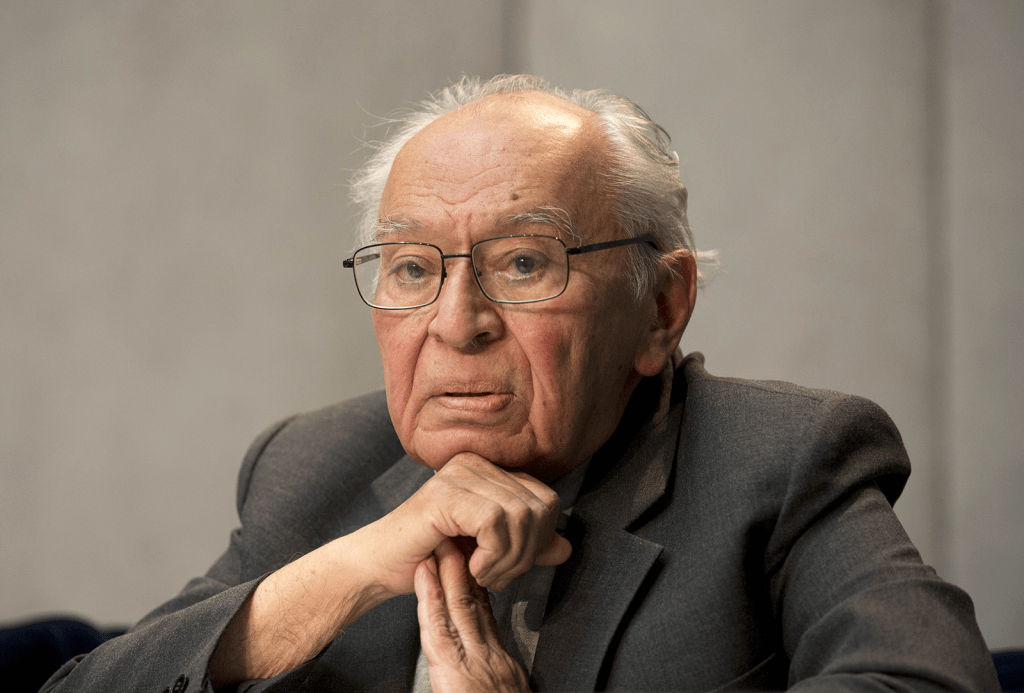
(Gustavo Gutiérrez attended a news conference at the Vatican, May 12, 2015. (AP Photo/Alessandra Tarantino)
Rev. Gustavo Gutiérrez, the father of liberation theology, died Tuesday night . He is rightly described as a Marxist by his detractors and held at a distance under Vatican scrutiny for much of his career. But he and his work were “partly rehabilitated” by fellow Marxist, Jesuit, Pope Francis.
EXTREMELY PROGRESSIVE CHRISTIANITY TODAY CELEBRATED BOTH GUSTAVO AND HIS LIBERATION THEOLOGY.
“The Evangelical Legacy of Gustavo Gutierrez’s Liberation Theology “
“How the Peruvian priest influenced the fathers of integral mission“
“Gustavo Gutiérrez, the Catholic theologian who first argued for a “preferential option for the poor,” died on October 23 at the age of 96.
Scholars and pastors reflect on how his liberation theology impacted Latin American evangelical theology and church growth:”
LIBERATION THEOLOGY AND ITS ORIGINS AND INFLUENCE .
Liberation theologies first emmerged in Latin America and spread among Catholics AFTER the Second “Vatican Council” in the ealry 60s. Its ideologies are at the root of “social justice” and the call for “oppressed minorities” to be “liberated” from generational oppressions and for the oppressors to have a price extracted for their long- term oppressive actions and harm. it was criticized based on the core fundemntal aspects of liberation theology use of Marxist economic theory.
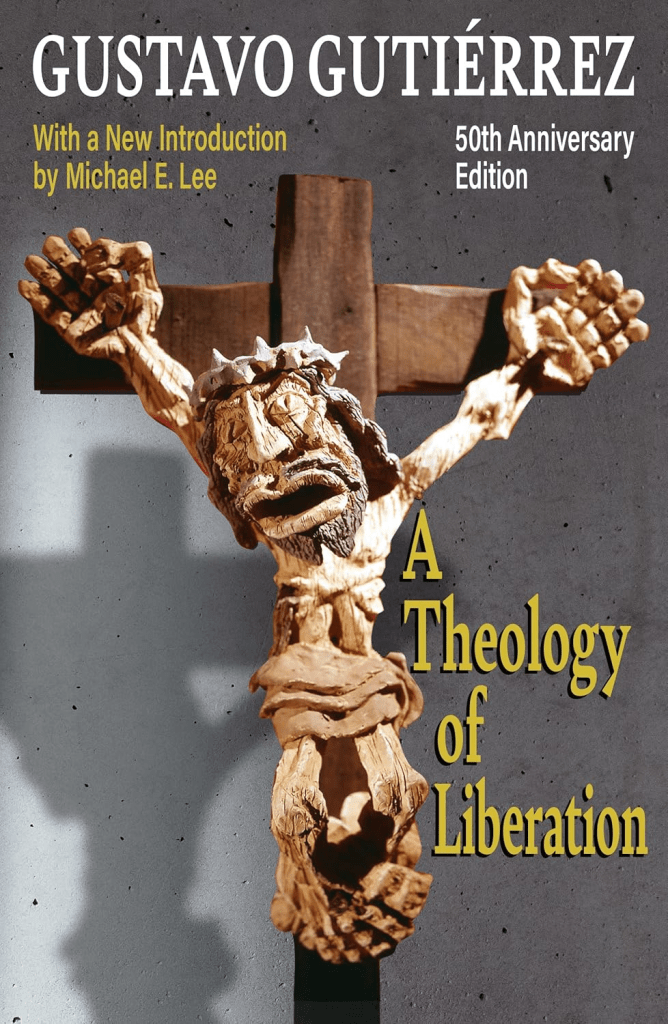
“A Theology of Liberation: History, Politics, and Salvation”
“It would be difficult to name another theological book these past five decades that has been more influential, has inspired more believers and non-believers alike to think differently about the Christian faith, and has engendered so much controversy.” So begins Michael E. Lee’s introduction to this 50th anniversary edition of the classic work that signaled a new style of doing theology.”
“The theological project launched in this book was, as Fr. Gutiérrez wrote, “based on the gospel and the experiences of men and women committed to the process of liberation in the oppressed land of Latin America.” It was “born of the experience of shared efforts to abolish the current unjust situation and to build a different society, freer and more human.” Yet its influence was quickly felt around the world, inspiring numerous offshoots, as well as provoking critical reactions, both inside and outside the Church.”
“A Theology of Liberation has won wide acclaim as one of the most influential works of Christian theology of the last century. Yet Gutiérrez himself concluded the book by noting that any theology of liberation “is not worth one act of genuine solidarity with exploited social classes. They are not worth one act of faith, love, and hope committed . . . in active participation to liberate humankind from everything that dehumanizes it and prevents it from living according to the will of God.”
LIBERATION THEOLOGY SATURATION AND MANIFESTATIONS ARE EVERYWHERE
Gutierrez influence came to the US in time to be merged into and inspire many in the Civil Rights Movement. Sadly MOST of that spread through the influence of churches caught up in the appeal of a message which provided “justice” in the name of Jesus. Today, for example, Liberation Theology is at the core of Black Lives Matter and the social action and riots of recent years INCLUDING THE CALLS for Palestinian Liberation. BUT the Liberation Theology movement has impacted many leaders across the church landscape as it is both rooted in Marxism and promoted as a “Gospel Cause”. Gutierrez understood these broader applications of his “gospel of liberation” for oppressed when he said “As we progress, various shades of meaning and deeper levels of understanding will complement this initial effort.“
In the article “Theology and Poverty” he said :
The announcement and testimony of the reign of God denounces poverty.
The intelligence of faith reveals essential aspects of God and provides a perspective for theological work.
Walking in the footsteps of Jesus, otherwise known as spirituality, is, on the deepest level, the basis on which everything else rests.
THE MARXIST ASSUMPTIONS OF LIBERATION THEOLOGY
“Consisting of a synthesis of Christian theology and Marxist socioeconomic analyses, liberation theology stresses social concern for the poor and advocates for liberation for oppressed peoples. In addition to being a theological matter, liberation theology was often tied to concrete political practice.”
“As a radical trend in Christianity, liberation theology can be interpreted as an ideology for the oppressed. Like Marxism, it releases a hope for the oppressed who would liberate themselves from miserable society.Using a Marxist analysis of capitalism, liberation theology argues that workers are alienated and so exploited. It argues that a capitalist system sacrifices the needs of the many for the benefit of the few.”
“If the inexpressible cruelties of slavery could not stop us, the opposition that we now face surely will fail. We’re going to win our freedom because both the sacred heritage of our nation and the eternal will of the almighty God are embodied in our echoing demands.”
““Being a Negro in America means trying to smile when you want to cry. It means trying to hold on to physical life amid psychological death. It means the pain of watching your children grow up with clouds of inferiority in their mental skies. It means having your legs cut off, and then being condemned for being a cripple. It means seeing your mother and father spiritually murdered by the slings and arrows of daily exploitation, and then being hated for being an orphan.”
“Every bit of me is devoted to love and art. And I aspire to try to be a teacher to my young fans who feel just like I felt when I was younger. I just felt like a freak. I guess what I’m trying to say is I’m trying to liberate them, I want to free them of their fears and make them feel that they can make their own space in the world. Read more at https://www.brainyquote.com/topics/liberate-quotes”
COMING TO THE EVANGELICAL CHURCH FROM CATHOLIC THEOLOGIANS.
EXAMPLES OF EVANGELICAL INFILTRATION OF LIBERATION THEOLOGY
“Red Letter ChristiansA group of authors, clergy, and social justice advocates that combine evangelical theology with liberation theology. They use the teachings of Jesus, and the framing of inequality as social sin by liberation theology pioneer Gustavo Gutierrez, to expand their understanding of salvation.”
“Evangelical Theologies of Liberation and JusticeA book that brings together the voices of academics, activists, and pastors to explore the relationship between liberation theology and evangelical tenets of faith. The book covers topics such as race, gender, and animal rights. “
JAMES CONE/LIBERATION THEOLOGY /CRT AND SOUTHERN BAPTIST SEMINARIES
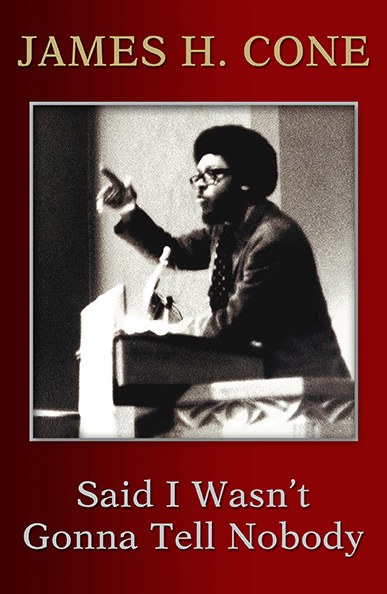
JAMES CONE – BLACK LIBERATION THEOLOGY
“A formidable figure in life, Cone leaves a considerable legacy: as a pioneering figure in the development of black theology; as mentor to several generations of black theologians and preachers; and as someone who worked across boundaries to find common cause with other liberation theologians, such as Gustavo Gutiérrez.”
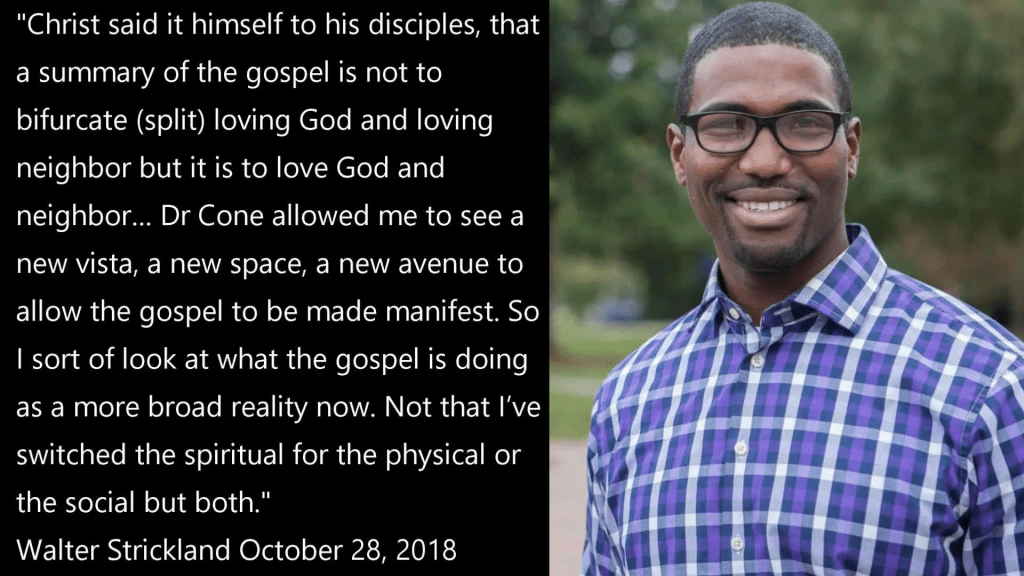
WALTER STRICKLAND A PROFESSOR AT SEBTS WAS FAR TO OPEN ABOUT HIS TEACHING OF (BLACK) LIBERATION THEOLOGY AND “QUOTING WITHOUT NAMING” JAMES CONE.
NEW YORK TIMES APRIL 2019
“Can Black Evangelicals Save the Whole Movement?”
“African-American spiritual leaders are talking about racism — and some white churchgoers are listening.”
STRICKLAND FROM THE NYTIMES PIECE- COMMENTS ON PRESIDENT TRUMP
““I think people are hungrier for this conversation,” said Mr. Strickland, who travels around the country to advise Christians on how to recognize and mitigate systemic racism. “The reality of Donald Trump and all the issues we’ve faced since his candidacy have really hardened the hearts of some, but it’s also ripped many people even farther away from conflating the Republican Party with the party of Christ.”
“Some of the Christian right’s most prominent leaders have split over Mr. Trump’s racist, xenophobic rhetoric. They disagree over how to fulfill the earthly duties of Christians — especially the obligation to make this fallen world look more like the Kingdom of God foretold in the Book of Revelation, when people “from every nation, tribe, people and language” shall stand together “before the throne and before the Lamb.”
STRICKLAND ON THE DIVISIVE AND EXPOSIVE MLK/50 CONFERENCE IN 2018 PRESENTED BY ERLC AND THE GOSPEL COALITION .
“Last spring, two influential conservative evangelical groups hosted a splashy conference in Memphis called “MLK50” to “reflect on the state of racial unity in the church and the culture” on the 50th anniversary of the death of the Rev. Dr. Martin Luther King Jr. But other conservatives complained that the event was, as one writer put it, “dripping with critical race theory, intersectionality and cultural Marxism.”
STRICKLAND ON SBTS PRESIDENT ALBERT MOHLER’S “HELP”.
“But this old debate has taken a new turn. Mr. MacArthur’s statement on social justice provoked a backlash from fellow conservatives, like R. Albert Mohler Jr., the president of the Southern Baptist Theological Seminary in Louisville. He cautioned that “part of what it means to be made in God’s image is that we are accountable to divine justice and to seeking, through human flourishing, to see God’s justice reflected in a fallen world.” Mr. Mohler helped to purge his seminary of moderate faculty members in the 1990s, but last year he commissioned a report about the school’s complicity in the “horrifying realities of American slavery, Jim Crow segregation, racism and even the avowal of white racial supremacy.””
STRICKLAND’S DECEPTIVE ADMISSIONS ABOUT TEACHING JAMES CONE
“Radical thinkers have found their way into the citadels of white evangelicalism. Reading the black liberation theologian James Cone helped Mr. Strickland, the theology professor, see how white theologians often ignore the structural sources of earthly suffering. In 1969, the Rev. Dr. Cone admonished “new blacks, redeemed in Christ” to “say to whites that authentic love is not ‘help,’ not giving Christmas baskets but working for political, social and economic justice, which always means a redistribution of power.”
“Courses in African-American theology have been on the books at moderate evangelical seminaries since the 1970s. But it is significant that Mr. Strickland has brought a thinker like Dr. Cone into the heart of the conservative Southern Baptist Convention. Mr. Strickland spent years studying in majority-white evangelical schools, where he mastered the idiom of the Christian right. When he speaks to conservative white congregations, he is careful: “While Cone’s ideas are in play, I don’t mention him by name, because I don’t want to put unnecessary stumbling blocks in their way.” Scripture’s authority comes first. “If I’m able to demonstrate that this black man in front of them has read the Bible, I gain credit with them.”
ACTIVIST PROFESSOR AND RESOLUTION 9 CRT/INTERSECTIONALITY CO-AUTHOR WALTER STRICKLAND IS ONE OF THE MORE WELL KNOWN AND EXPOSED SOUTHERN BAPTIST LIBERATION THEOLOGY ADVOCATES. HE REMAINS EMPLOYED AT SEBTS INDOCTRINATING MINISTERIAL STUDENTS AND IS ALSO HELPING CHRISTIAN EDUCATION ORGANIZATION ACSI TO SPREAD THE FALSE TEACHINGS OF CRT / INTERSECTIOANLITY AND BLACK LIBERATION THEOLOGY among conservative biblical Christian faith in America.
“Assistant Professor of Systematic and Contextual Theology and Associate Vice President for Diversity at Southeastern Baptist Theological Seminary Walter R. Strickland II appeared in the below podcast (in 2016 I think, the video has been doing the rounds on social media) promoting the writings of black liberation theologian J. Deotis Roberts. There is a particularly worrying discussion from around 13:40mins about what it means to be saved and what is justice. Whilst in reference to James Cone’s eschatology, in distinction to Roberts’, the lack of Biblical clarity is very troubling. In the latter half of the discussion Strickland also appears to advocate a racialised understanding of God and “restoration”.”
“This is what is being taught in supposedly conservative seminaries. Along with the recent cover-up by SBTS and Al Mohler of self-professed racist Matthew Hall’s outrageous statements it’s clear something is deeply wrong in “conservative” Christianity.” ( FROM POST AT “PURITAN BOARD)
CRT/ INTERSECTIONALITY REMAIN IN CONSERVATIVE BAPTIST SEMINARIES.
THE CULTURAL IMPACT. GUSTAVO GUTIERREZ “GRAVE INFLEUNCE” LIVES ON.
Brannon Howse in his book “Grave Influence” documents many key progressive and Marxist leaders of the past who have their influence continue to expand BEYOND THE GRAVE.
“Grave Influence: 21 Radicals and Their Worldviews That Rule America From the Grave.”
By Brannon Howse 2009
Gustavo Gutiérrez HAS NOW JOINED THEM as Liberation Theology /ideology continues to spread.
Liberation Theology and its trickle down identities dividing class and seeking to excercise its power through endless protest and activism are not going away. The media, entertainment, politics, and cluture in general are salted and saturated with it like a poison waterhole in a desert western. People are hungry for change but have no idea when their voices join the chorus of Liberation Theology that they are actually crying out to become voices of advocacy toward an even more oppressive system which has inspired it … Marxism.
CONCLUSION.
THESE are the kinds of deceptions being used to teach “LIBERATION THEOLOGY in once conservative biblical seminaries by hired activist working for men like Albert Mohler and other SBC seminary Presidents.
Let the NY Times Strickland interview say it in thier own words:
“Radical thinkers have found their way into the citadels of white evangelicalism. Reading the black liberation theologian James Cone helped Mr. Strickland, the theology professor, see how white theologians often ignore the structural sources of earthly suffering. In 1969, the Rev. Dr. Cone admonished “new blacks, redeemed in Christ” to “say to whites that authentic love is not ‘help,’ not giving Christmas baskets but working for political, social and economic justice, which always means a redistribution of power.”
AGAIN IN STRICKLANDS OWN WORDS-
““While Cone’s ideas are in play, I don’t mention him by name, because I don’t want to put unnecessary stumbling blocks in their way.” Scripture’s authority comes first. “If I’m able to demonstrate that this black man in front of them has read the Bible, I gain credit with them.”…”He walked me through the argument he used when he spoke at North Greenville University, a Baptist school in Tigerville, S.C. “There was the fall, and all we do now as God’s vice regents is influenced by that fall. So if we’re sinners in need of redemption, so, too, are all the things we create, like law, policy, procedure, practice. That right there is systemic injustice,” he said. “Before they know it, they’re nodding their heads. They’re agreeing that systemic injustice and racism are a form of sin. I get in the back door by walking around the linguistic land mines that are so charged in our cultural climate.”
“Seminaries like Southeastern play a crucial role in shaping the mind-set of future pastors. There is already evidence that some church leaders are rethinking the traditional strategy of trying to win converts by persuading people that church is full of members just like themselves. “The homogeneous principle of church planting — once the norm — is out of favor,” Kevin Smith, a pastor in Chattanooga, Tenn. wrote in Evangelicals magazine. “Homogeneity is out and multiethnic is in.”
Churches seeking to diversify their pews can turn to a growing library of books and study guides…”
Liberation Theology all stems from the Marxist influences on a Latim American Rev. Gustavo Gutiérrez twisting scripture- wrapped in bible verses and seducing his inspired activist henchmen like James Cone and Walter Strickland and hundreds of others whose influence will continue to trickle down through and dismantle churches and movements once committed to Biblical truth the faith of many who are taken in by it.
“REIMAGINING MISSIONS” REMAINS THE MANTRA OF PROGRESSIVE/ JUSTICE INSPIRED GLOBALIST PARTNERING ADVOCATES OF CHANGE WHILE IT REBUKES WESTERN INVOLVEMENT AS “COLONIALISM” BUT INSIST WESTERN CHURCHES BRING THEIR “RESOURCES” TO THE REIMAGINED FUTURE OF “Polycentic Missions”.
Rev Thomas Littleton
10/14/2024
Lausanne Congress 2024 outcomes promise to offer MORE OF THE SAME activism and progressive voices seeking to “Redefine ” and “Reimagine” global evangelism for years to come as the 2010 South Africa Congress set in motion. REcall that Captown 2010 Congress gave us amplified progressive voices like Tim Keller, Rick Warren / Same Sex Attracted Christinaity promoted by an army of gay identified Christian activist and deepening commitments to “Social Justice” ( now known as WOKE Justice ), egalitarianism, and all around humanitarian and redistribution efforts in the new “global Christianity” it envisions.
A LOOK AT WEA REVIEW OF LAUSANNE CONGRESS 2024 OUTCOMES.
“Grace and peace to you in the name of the Lord Jesus Christ.”
“Immediately following the Fourth Lausanne Congress in Incheon, South Korea (22-28 September, 2024), a group of around 100 Majority World Christian leaders with a passion for missions gathered in Busan, South Korea (29 September – 2 October). The forum was hosted by the new COALA network of Majority World missions leaders. COALA’s acronym stands for “Christ Over Asia, (Africa, Arab World) and Latin America”, with the first A covering increasing territory as more regions join the conversation (hence the parenthesis).”
“The central focus of the gathering was to further explore the meaning of “Polycentric Missions”, which was promoted in the lead-up to Lausanne 4, in the State of the Great Commission report, and celebrated in the diversity of cultures participating and working behind the scenes at the Congress.”
“In this essay, originally titled “An Indigenous Engagement with Polycentic Missions”, Mission Commission Executive Director Jay Mātenga reviews the Mission Commission’s historic commitment to Majority World missions perspectives, corrects some unhelpful ways “polycentrism” is being applied to missions today, emphasises the benefits of the concept for missions in local contexts, and suggests a better term to describe missions from everyone to everywhere with a stronger biblical emphasis and the addition of a 5th ‘self-‘ to the classic 3- and more recent 4-self model of indigenous church development.”
“ALL KINDS OF PARTNERSHIPS”
BUZZPHRASE FOR EXPANDING FAITH BASED PARTNERSHIPS WITH GOVERNMENT AND SECULAR PARTNERS & MORE REDISTRIBUTION OF RESOURCES AKA WESTERN WEALTH REDISTRIBUTED.
“To paraphrase, the statement goes on to make six recomendations:”
The primacy of the Holy Spirit.
The importance of the local and multi-church connections.
The need for missionary humility and service to the local church.
Contextual and cultural sensitivity.
Promoting growth in the depth and breadth of indigenised Christianity.
And, careful use of outside resources for mutual benefit.
“In the concluding call for unity and partnership, the COALA 2 statement reaffirms that our “era of polycentric missions” requires the development of all kinds of partnerships to bring resources together “into a powerful synergistic whole for world mission”. Bravo! Those of you who helped craft those recommendations deserve to be applauded. Well done.”
COLONIALISM BAD BUT YOUR MONEY IS WELCOME.
“WEAMC: A bridge-building body between the new Third World Missions and the traditional Western Missions so that help can travel in both directions in the furtherance of the Lord’s work worldwide.”….” We continue as a bridge and from that perspective let me encourage you—in all that the COALA movement seeks to promote, let us take care not to diminish the wonderful contribution our Western brothers and sisters have and will continue to bring into the mix—mutuality demands it.”
“ The old missions paradigms are fading away. “
“Some of us here are representative of a new generation that is facing a radically different global context and a diminishing interest in traditional long-term foreign or cross-cultural missions. Not just from the West but also the Majority World. If the change is not yet apparent in your context, it is coming. We can deny it all we want, we can pour resources into trying to change it. We can recommit and double down (and develop digital tools to try and stem the tide). But, as a missions mobiliser at heart, who literally (co)wrote the book on the subject of mobilisation, called “Mission in Motion”, it pains me to recognise that the traditional missions model is decreasingly fit for purpose in our global context. The old missions paradigms are fading away. The Spirit of God is doing a new thing. But, as Mission Commission Deputy Leader Ken Katayama, President of Crossover Global, has paraphrased Isaiah 43:19, “do we DARE perceive it?””
“Polycentric Defined“
“In its technical sense, polycentric, polycentricism, or polycentricity has very little to do with “from everywhere/one to everywhere”. When it comes to the universal Church, it is probably best to consider it as PLURIcentric—the single body of Christ spreading throughout the world. One authority, in many places with different expressions.”
“DO WE DARE LOOK…”
“God is doing a new thing. Do we dare perceive it? Do we dare honour the local and hold back from imposing our cultural Christianity upon them? Do we dare say to the Western missions paradigm, “thank you for all you have done, but let us reset the drawing board, lay aside your assumptions, and find new ways forward from here, together, with high mutuality”? Do we dare work in NEW ways to co-create New Creation in specific contexts, inspired by many voices from across the global church, yet led by local voices?….
…Regardless of our backgrounds, do we dare look in the mirror and acknowledge our own ethnocentricities, our biases and prejudices, and repent? Let us beware of repeating the same colonial mistakes with a different skin tone.”
“Where the congress fell short“
“The ‘declare’ camp remains worried that the Seoul Statement has not gone far enough to ensure that evangelizing the lost, the last, and the least. They lament that, while not the only task of God’s people, proclamation evangelisation should have been confirmed as a priortity, but it wasn’t. The ‘display’ camp, on the other hand, were frustrated that not much space was given to articulate the cause of justice, peace, and reconciliation. Furthermore, at one of the very few times it was forcefully articulated on stage, the L4 organizers were influenced to issue a public apology, which then upset another group at the event.”
“Confronting colonial missiology”
“What Rene Padilla, Samuel Escobar, Kwame Bediako, John Stott, among others, accomplished, together, in 1974 was to remind the evangelicals molded in the tradition, history, and context of the Western hemisphere that the Western approach to doing missions does not (and cannot) apply to everyone else in the world. The other regions of the world, today called the “Majority World”, are facing battles of their own with regard to how the gospel takes root in the hearts and minds of their people, amidst the social and political issues of their communities. It is naive to think that there is a singular way to address these multifaceted dimensions of mission and ministry across the world.”
THE HORRORS OF 2010 LAUSANNE INFLUENCE.
READ HERE FOR OVERVIEW OF LONGTERM CAPETOWN 2010 INFLUENCE
“THE World Evangelical Alliance (WEA) has been closely involved in the development of the congress programme, but participants will be drawn from beyond the constituency of the WEA. One of the notable features of the second Lausanne Congress in Manila in 1989 was to bring into dialogue Pentecostals and those engaged in Charismatic renewal with those from other Evangelical traditions.”…”“The Cape Town Congress was particularly concerned about the crises of our time. Prominent themes were, for example, the increasing impoverishment of many segments of the population in underdeveloped countries and the accumulation of wealth and assets of affluence among a relatively small upper class, not only in the Southern Hemisphere but also in the West. Other themes of the Congress that affect the spread of Christianity worldwide included the reconciliation of human races, the achievement of social justice, the mitigation of global warming, the increase of women in leadership positions, the right approach to homosexuality, the oral tradition of the Bible, and the conduct of spiritual warfare. These are all issues that fit into the category of dominionism (establishing the Kingdom of God as an earthly kingdom).”
(This quote is from Dr Martin Erdmann who has written several books on the dangers of
the Lausanne Movement and the special focus of the 2010 meetings)
THE WEA & WCC ROLE IN AND CRITIQUE OF LAUSANNE CONGRESS 2024.
“Within Lausanne, there are those who wished to see declaration emphasized more so that evangelical churches would not lose their fervour for evangelism, which distinguishes evangelicalism from the more socially active missions trajectory of the World Council of Churches (WCC). These are likely people who remember that the first Lausanne in 1974 was held in reaction to waning evangelistic energy and calls for a moratorium on missionary sending within ecumenical circles. The proponents of proclamation prioritisation also promote ‘finish the task’, classify ‘unreached people groups’, and develop specific ‘strategies’ with the aim of fulfilling Jesus’ command to evangelise the world in anticipation of ‘hastening’ His return. They view Lausanne as the platform to achieve this—with this focus seen as the core strength of what Lausanne is and their hopes for what the movement will continue to be. While some of them also believe that the gospel has to be ‘holistic’, in a practical and even a theological sense, ‘priority’ remains on finding ways of ‘telling the gospel’ clearly and effectively (this is also known as ‘prioritism’). Ed Stetzer, regional director of Lausanne in North America, has already written a post-conference reflection that articulates exactly this conviction.”
CONCLUSION
The WEA and NAE ,along with multiple central Lausanne influencing organizations have FULLY SUBSCRIBED to Global Christinaity and to the United Nations Agenda 2030. There is no longer shame, denial, or doubt left about this reality in the organizations own media and statements. Given this hard reality -Lausanne today is nothing more that the gatheirng of the global harlot church in Revelation 17 working directly with the powers seeking to establish the kingdom of anti christ at the midnight hour in these last days. God is certainly not impressed of looking to such compromised leaders to “reimagine missions” on HIS behalf. Rather HE has condemned these blind guides in advance of their pending shipwreck ideology and pathetic earthly wisdom.
Revelation
“The Scarlet Woman and the Scarlet Beast”
17 “Then one of the seven angels who had the seven bowls came and talked with me, saying [a]to me, “Come, I will show you the judgment of the great harlot who sits on many waters, 2 with whom the kings of the earth committed fornication, and the inhabitants of the earth were made drunk with the wine of her fornication.”
3 So he carried me away in the Spirit into the wilderness. And I saw a woman sitting on a scarlet beast which was full of names of blasphemy, having seven heads and ten horns. 4 The woman was arrayed in purple and scarlet, and adorned with gold and precious stones and pearls, having in her hand a golden cup full of abominations and the filthiness of [b]her fornication. 5 And on her forehead a name was written:
MYSTERY, BABYLON THE GREAT, THE MOTHER OF HARLOTS AND OF THE ABOMINATIONS OF THE EARTH.
6 I saw the woman, drunk with the blood of the saints and with the blood of the martyrs of Jesus. And when I saw her, I marveled with great amazement.”
THE LATEST GATHERING OF COMPROMISED CHRISTIANITY OWNED BY GLOBAL GOALS AND COMMUNITARIAN PRINCIPLES IS OVER BUT THE “CONVERSATIONS” FOR SOCIAL CHANGE WILL LINGER ON UNTIL THE NEXT GATHERING. HERE IS A LOOK AT ” SEOUL STATEMENT” FROM THE FOURTH LAUSANNE CONGRESS.
BY Rev Thomas Littleton
9/30/2024
The latest gathering of Globalism in the name of Christianity just took place in Seoul South Korean and ,like the previous 2010 gathering in Capetown, the labels and narrative might sound very biblical to the untrained listener but the focus, topics and outcomes are set to keep the “conversations” of social change and manipulation of the church toward Global Goals, DE&I , Community Development and JUSTICE going for another decade and a half …until the next Congress.
SOME LAUSANNE ACTIVISM HISTORY THE 2010 CONGRESS.
READ THE BELOW ARTICLES FOR THE 1974 HISTORY & OF THE 2010 CAPETOWN CONGRESS, ITS FOCUS AND LONGTERM IMPACT .
“The Cape Town Congress was particularly concerned about the crises of our time. Prominent themes were, for example, the increasing impoverishment of many segments of the population in underdeveloped countries and the accumulation of wealth and assets of affluence among a relatively small upper class, not only in the Southern Hemisphere but also in the West. Other themes of the Congress that affect the spread of Christianity worldwide included the reconciliation of human races, the achievement of social justice, the mitigation of global warming, the increase of women in leadership positions, the right approach to homosexuality, the oral tradition of the Bible, and the conduct of spiritual warfare. These are all issues that fit into the category of dominionism (establishing the Kingdom of God as an earthly kingdom).”
(This quote is from Dr Martin Erdmann who has written several books on the dangers of
the Lausanne Movement and the special focus of the 2010 meetings)
WORLD EVANGLEICAL ALLIANCE AND NAE DRAFT LAUSANNE FOCUS ON AGENDA 2030 -GLOBALISM
( FROM THIRTY PIECES OF SILVER COVERAGE OF TIM KELLER’S MEMORIAL SERVICE.)
Tim Keller’s influence on the evangelical church and especially on the American Reformed movement, including his own Presbyterian Church in America,has been both far reaching and destructive. Keller’s political movement TGC has helped reek havoc in American seminaries, churches and ministries since its founding in 2006. Yet no one has ever been able to fully unravel the funding or influences behind it. Keller came out of obscurity as a Virginia pastor and into his position as pastor of a planned and “hopeful PCA flagship church plant in NewYork City”. He is said to have been the 3rd choice for the job. Who pulled the strings within these PCA has never been revealed.
In 2008 Christianity Today and Peter Drucker evangelical machine “Leadership Network” operative Ed Stetzer began helping Tim Keller’s name become a household word by hard selling his new book. Keller, Stetzer and fringe emergetns like Brian McLaren began a movement call “Mission Shift” inorder to flood the EMERGENT MOVEMENT intomission organizations and visions.
By 2010 the Lausanne Movements choice of Keller as a keynote in Lausanne South Africa and his later choice to speak at Lausanne’s North American memorial to John Stott had Keller touted as one of the churches leading “intellectuals” and dubbed “the new John Stott”. Since that time Keller’s influence has continued to explode. Keller’s TGC, his Redeemer Church NYC , his MANY books and publishing arm “Gospel in Life” his global church planting arm “Redeemer City to City”. His “New York City Movement Day”, his SOCIALIST ECONOMICS model “Center for Faith and Work” and his Frankfurt School inspired narrative of “human flourishing” and “theology of Cities” have seen to that non stop growth. Most often his talking points have come from political think tanks like the Institute for Institute for Advanced Studies in Culture (IASC ) and his strong GLOBALIST and left leaning political affiliations. These have helped secure Keller’s place as a leading “thinker” of modern day evangelicalism.
THE SOURCE OF KELLER’S TALKING POINTS
Keller was most skilled at appearing contemplative and thoughtful while presenting the narrative such think tanks as FRANKFURT SCHOOL inspired IASC had honed.
(NOTE :MANY of Kellers key concepts and terms came from IASC which admitted to its Frankfurt School inspiration on its very own about page.
IASC -“Our institutional inspiration comes from the close-knit intellectual fellowships of the past (such as the Frankfurt School and the Vienna Circle); our philosophical inspiration comes from a thoughtful re-appropriation of the theologies and classical philosophies which characteristically champion the dignity of the person, the pursuit of the just life, and the flourishing of the human community.”
(NOTE also that his revealing statement was later removed AFTER it was brought to light in an expose on Tim Keller.)
HERE ARE THE HIGH /LOW POINTS- DEPENDING ON ONES WORLDVIEW:
“The Lausanne Covenant (1974) declared, “World evangelization requires the whole church to take the whole gospel to the whole world.“- BUT WHAT DOES THIS MEAN IN A GLOBAL ACTIVIST SETTING? Take a look
The church displays Christ in diverse yet faithful ways.
” The church has been called to express its common life by forming local, counter-cultural communities in every society. Local churches vary in form: from small bands of believers meeting in secret, to house churches, to much larger congregations that gather in public view. The emergence of digital spaces has provided Christian believers yet another means to come together, prompting ongoing theological reflection on the nature and form of the local church.
Local churches throughout history and across the world display spectacular diversity in traditions and forms, which are shaped by the influence of their distinctive cultures and by the unique contextual challenges they face. Nevertheless, what such Christian communities have in common, and what makes them authentic manifestations of the body of Christ is their worship of the triune God in response to their shared faith in the gospel of Jesus Christ—the faith that Christ calls them to share with the world.”
ADOPTING THE WORLD’S NARRATIVE TO ERASE HUMAN RIGHTS BY REDEFINING THEM.
IV. The Human Person: The Image of God Created and Restored
“Today, the world is absorbed with the question, “What does it mean to be human?” This makes the Christian doctrine of the human person critically important. How we answer this question has profound implications for our witness in the world and our life in the church. It goes to the very heart of the great upheavals in the world with regard to issues such as identity, human sexuality, and the implications of advancing technologies. A sound doctrine of the human person is also vital for dealing with the growing phenomenon of leaders that claim supra-human powers and God-like authority within the church.“
(NOTE:CRAFTED TALKING POINTS TO PROTECT THE ACTIVIST FROM MARGINALIZATION)
“The image of God is the essence of being human.”
“Scripture teaches that human beings are uniquely created in God’s image. This uniqueness includes stewardship roles and responsibilities in the world. The gift of image-bearing provides all human beings with inherent dignity, equality, and worth, regardless of gender, ethnicity, race, caste, age, physical and mental capacities, and socioeconomic and cultural contexts. The triune God created human beings to be relational, including personal relationships with God and the formation of communities. (Gen 1:26-28; 2:15)
Human beings are an integrated physical and spiritual unity, possessing a spiritual dimension that complements the physical. We therefore reject any privileging of body or spirit over and against the other.
We acknowledge that sin affects the degree to which human beings can fully reflect the image of God. Sin corrupts our inherent human nature and capacities, our relationships with others, and our human vocation in the world. Sin adversely influences people to treat other humans as objects, not as persons of intrinsic worth. At times even Christians have sinfully misinterpreted the image of God out of self-interest, to marginalise and dehumanise others.”
“The image of God and human sexuality”
(NOTE: KEEPING THE CONVERSATIONS GOING AND ACTIIVST LIKE REVOICE AND YARHOUSE- IN THE GAME.)
The Christian understanding of sexual identity
“The biblical account of creation recognises that humans are created as sexual beings with clearly identifiable physical characteristics as male and female and relational characteristics as man and woman. The “sex” of an individual refers to the biological characteristics that distinguish male from female, whereas “gender” refers to the psychological, social, and cultural associations with being male or female. The Bible unambiguously affirms that human beings, both male and female, bear the image of God, representing the Creator in the care of his created earth. (Gen 1:26-28; 2:22-23)
We lament any distortion of sexuality. We reject the notion that individuals may determine their gender without regard to our createdness. Although biological sex and gender may be distinguished, they are inseparable. Maleness and femaleness are an inherent fact of human createdness—a fact to which cultures give expression in distinguishing between men and women. We also reject the notion of gender fluidity (the claim to fluctuating gender identity or gender expression, depending on situation and experience).
Throughout history, however, persons whose sex is not observably clear at birth (broadly designated today as intersex individuals) have faced significant psychological and social challenges. In the Scriptures God expresses his deep concern for eunuchs in their experience of alienation and pain, and has prepared a better future for those who put their trust in God, promising them the restoration of their dignity. In this same way, the people of God are called to respond with compassion and respect towards those who face similar circumstances today. (Isa 56:4-5)”
SUPPORTING THE SSA CREWS CONCEPT OF “SINGLENESS”
“We call all local churches to support both singles and married couples within the community of Christian believers through teaching, mentoring, and networks of mutual encouragement and practical support. Such a community witnesses to the power of the gospel by modelling the biblical values of deep friendships, love and faithfulness in marriage, the honouring of parents, and the dedicated nurture of children within the context of loyalty to the lordship of Jesus Christ, and to the glory of God.”
“The Christian understanding of same-sex sexual relations”
(NOTE: END GAME IS CHANGING THE CHURCH TO ASSURE INCLUSION – NO MATTER HOW MANY BIBLE VERSE ARE QUAOTED- WHY ? IT IS ALL BASED ON SSA/SOGI TO THE CHURCH CANNOT EXPOECT REAL CHANGE IN CONVERSION)
“Sexual intimacy between persons of the same sex is a phenomenon that is as old as human civilization, and the Bible, in both the Old and New Testaments, shows its awareness of such practices. On six occasions we find the explicit mention of same-sex sexual behaviour in the Bible. Because of the extraordinary importance of the subject for society and the church today, it is vital that Christians become familiar with all the references to same sex sexual intimacy in the Bible, and their meanings in context—Genesis 19:1-3; Leviticus 18:20; 20:13; Romans 1:24-27; 1 Corinthians 6:9-11; 1 Timothy 1:9-11:
The Old Testament refers to sex between persons of the same sex in the account of Genesis 19:1-3 where the life of Abraham and his family intersected with the culture of Sodom, which God had declared to be grievously wicked. Sodom’s notoriety had been due to multiple forms of social evils, including the attempted male-rape of Lot’s guests by all the townsmen being highlighted in the narrative as evidence of the abysmal moral condition of the city. (Ezek 16:49-50; Gen 18:20-21; 19:1-13; Jude 7)
In the apostolic witness of the New Testament, same-sex behaviour is referenced in Romans 1:18-27, 1 Corinthians 6:9-11, and 1 Timothy 1:9-11, against the backdrop of Greek and Roman culture. The historical record makes clear that sex between persons of the same sex was a well-known practice during this period, having been normalised, especially in the upper strata of society. In this context, it is striking that Paul places sex between persons of the same sex in the same category of sexual sin as fornication and adultery, and within a broader list of sins that included thieving, greed, drunkenness, slander, and swindling. In 1 Timothy 1:9-11, the list that proscribes same-sex behaviour includes patricide, murder, fornication, slave trading, and perjury. All who do such things are called lawbreakers, rebels, ungodly, sinful, unholy, and irreligious people.
In 1 Corinthians 6:9, Paul coined a term to describe sex between men from two references in Leviticus 18:20 and 20:13. These texts state that sex between persons of the same sex violates God’s standards for the Israelites who had been bound by their covenant to God.
When Paul refers to sex between people of the same sex in Romans 1:24-27, he does so to express how humanity’s rebellion against God has led to the rejection of his created order. As indications of humanity’s total moral bankruptcy, he cites the widespread practice of idol worship and sexual immorality. With regards to sexual impurity, Paul specifically condemns sex between women and sex between men, which were clearly well-known practices in what was considered the sophisticated culture of the time.
All the biblical references to sex between persons of the same sex lead us to the inescapable conclusion that God considers such acts as a violation of his intention for sex and a distortion of the Creator’s good design, and therefore, sinful. However, the gospel assures us that those who have, by ignorance or knowingly, given into temptation and sinned, will find forgiveness and restoration of fellowship with God through confession, repentance, and trust in Christ.
We recognise that a number of people, both within and outside the church, experience same-sex attraction, and that for some, this is the only or dominant attraction. The biblical insistence that Christians must resist temptation and so maintain sexual holiness, in both desire and behaviour, applies equally to heterosexually attracted individuals as it does to same-sex attracted persons. We acknowledge, however, that Christians who are same-sex attracted face challenges even in Christian communities. We repent of our lack of love towards our brothers and sisters in the body of Christ.
We urge Christian leaders and local churches to recognise within our communities the presence of believers who experience same-sex attraction, and to support them in their discipleship by pastoral care and by developing healthy communities of love and friendship.[2]“
DID LAUSANNE JUST GO AFTER “CHRISTIAN NATIONALISM? YES IT JUST DID...AND REPENTED ON BEHALF OF THE CHURCH OF IT.
“We repent of our failures to condemn and restrain violence by remaining silent, by promoting nationalism, or by unjustly supporting conflicts through deficient theological justification.“
“We condemn those who use their influence in world affairs to promote avoidable conflicts and wars, merely to further their economic and political interests. We are saddened by the immense suffering their actions have caused. We believe that they will be held accountable before God on the day of judgement.
We call all Christians to serve the vulnerable in contexts of war by pooling our resources and supporting the relief efforts of churches and humanitarian organisations that are situated near conflict zones. We also commit to serve as peacemakers, by supporting negotiations aimed at ending conflicts and by calling for justice and reparation for the innocent victims of violence.
Christians at various times in history have not only promoted violence and war but also remained silent in the face of such atrocities rather than speaking with prophetic integrity and courage. This is captured in the Cape Town Commitment:
We acknowledge with grief and shame the complicity of Christians in some of the most destructive contexts of ethnic violence and oppression, and the lamentable silence of large parts of the church when such conflicts take place. Such contexts include the history and legacy of racism and black slavery; the holocaust against Jews; apartheid; ‘ethnic cleansing’; inter-Christian sectarian violence; decimation of indigenous populations; political and ethnic violence; Palestinian suffering; caste oppression and tribal genocide.
We echo the Cape Town Commitment in calling “for repentance for the many times Christians have been complicit in such evils by silence, apathy or presumed neutrality, or by providing defective theological justification for these.” Much of this defective theological justification arises from a failure to distinguish between the “nations” of Scripture and modern “nation-states” and from a failure to think biblically about nationality. In Scripture, nations were culturally distinct peoples whose identities were shaped by historical attachment to loosely defined territory, the worship of a god (or gods) whose rule over a people was exercised through a king. By contrast, “nation-states” (or “nations” in the modern sense) are governments that administer internationally recognized political sovereignty by means of constitutionally ordered institutions and laws, over territories with clearly demarcated borders and the individuals and peoples who live within them. Most modern nation-states govern multiple peoples, that is, groups within their borders who do not derive their collective identity from nationality alone but from ethnicity, race, country of origin, and the many other forms of collective identity that enrich the modern world. In terms of identity, these culturally distinct groups are often closer to the peoples that formed the “nations” of Scripture than to modern states. We affirm that every modern state is accountable to the divine demand for the just and merciful treatment of both the individuals and peoples over whom it exercises sovereignty as well as those of its neighbours.
It is critically important that Christians think clearly about biblical peoples when they (e.g. Israelites, Egyptians, Syrians) are associated by name, history, geography, or ancestry with modern nation-states (e.g. Israel, Egypt, Syria) and the peoples who live under the political sovereignty of these states (Jews, Palestinians, Arabs, Copts, Druze, Armenians, Kurds, and many more). God is fulfilling his promises to all these peoples—both Jews and Gentiles—through the good news of Jesus, the Messiah. In the Middle East, and elsewhere, Christian leaders must work to correct theological errors that provide ideological justification for unjust violence against innocent civilians or seek to legitimise violations of international humanitarian law.
We lament that some Christians have looked to the state rather than the gospel as the key means for bringing about God’s intentions for the world. This takes an especially regrettable form when wed to nationalism—here defined as the belief that every state should have a single, national culture and no other—or ethnonationalism—which is the belief that every ethnic group should have its own state. This is a great evil in our world. We lament that many Christians have been sadly complicit in it, as well as in the claims of ethnic and racial supremacy it fosters. Against this, we assert that no modern state is able to claim or will ever be able to claim to be the special agent of God’s saving rule.
“DIGITAL CHURCH IN A DIGITAL WORLD”
“Christians are called to faithfully steward technology.”
“We call all Christians to pursue technological innovation and use with love, justice, and faithfulness, both before God and toward others. We recognise that technology shapes the environments in which humans live, play, relate, and work, as well as how Christians fellowship with one another, pray, read Scripture, grow in faith and character, worship God, and share the gospel. Therefore, Christian development and use of technology must seek the welfare of our neighbours and enemies, promote human flourishing and dignity, having fixed our eyes more fully on the future that awaits us in the new heavens and the new earth. (Mic 6:8; Luke 10:25-37; Gen 9:6; Jas 3:9; Gen 1:31; Rev 21:1-8)
As digital technology is negotiated and adapted within church communities today, we see existing church life practices shaped by it along with new church practices emerging from it. Recognizing that digital technology is not monolithic, the church must use its discernment to judge when, how, and where different technologies should be adopted with the focus always on how the gospel of Jesus Christ is proclaimed and honoured in their use. We therefore call Christians and churches to explore and adapt digital technologies for the worship of God, the bridging of divides, the shaping of Christ-honouring culture, and the work of Christian discipleship.
Finally, we applaud the church’s evangelistic drive that has led to increasing technological adaptation and unprecedented opportunities for sharing the gospel. We delight that technology has extended the reach of the gospel into many regions of the world that have previously been inaccessible, hastened the work of Bible translation, and facilitated the movement and ministry of God’s people around the world. We pray that gospel-motivated, faithful stewardship of technology will help a new generation to follow and bear witness to Christ in our increasingly technological world.[4]
NO MORE HIDING THE REAL AGENDA – UN AGENDA 2030
The World Evangelical Alliance and partners like National Association of Evangelicals and the Lausanne Movement have come out of the shadows and into the full light of day shamelessly owning open promotion of the World Economic Forum/ United Nations Global Sustainability Goals of Agenda 2030. After taking part in the G20 Religion Summitt R20 and the COP 27 gatherings WEA has launched Roadmap to 2030 and multiple partners like The Gospel Coalition are fully committed to priming the next generation of Christians to be “global citizens” and embrace Agenda 2030. WEA openly invites you and your church to join them and “collaborate” the fulfillment of these global goals possible and to offer your children on the altars of pagan earth worshippers in the name of serving Jesus.
LAUSANNE IS LITTLE MORE THAN A PLATFORM FOR GLOBAL CHRISTIANITY MANNED BY POLITICAL OPERATIVES AND ACTIVISTS AND ATTENDED BY FOOLISH AND GULLIBLE BELIEVERS.
” REVISING TO FURTHER ACCOMIDATE ACTIVIST.”
“Lausanne edits Seoul Statement’s paragraphs on homosexuality, says there may be more ‘non-substantive changes’”
After releasing the Seoul Statement just before the start of the Fourth Lausanne Congress on World Evangelization held in Incheon, Korea from September 22 to 28, the document’s editorial team adjusted two paragraphs that speak to the issue of the Church’s response to homosexuality. A spokesperson commented that more minor changes are possible.
“In the first of the two paragraphs, the new version changed the wording that spoke of “many churches” and instead now simply refers to “Christian communities”. It also removed references to “ignorance and prejudice”, “discrimination and injustice” and “harm”, while maintaining the need for repentance for shortcomings in some churches that have not treated brothers and sisters in Christ who are same-sex attracted with love.”
Paragraph 69 as released on September 22:
“We recognise that a number of people, both within and outside the church, experience same-sex attraction, and that for some, this is the only or dominant attraction. The biblical insistence that Christians must resist temptation and so maintain sexual holiness, in both desire and behaviour, applies equally to heterosexually attracted individuals as it does to same-sex attracted persons. We acknowledge, however, that Christians who are same-sex attracted face challenges in many local churches due to ignorance and prejudice, and have consequently suffered discrimination and injustice within Christian communities. We repent of our failures and lament the harm this has done to our brothers and sisters in the body of Christ.“
New version of paragraph 69:
“We recognise that a number of people, both within and outside the church, experience same-sex attraction, and that for some, this is the only or dominant attraction. The biblical insistence that Christians must resist temptation and so maintain sexual holiness, in both desire and behaviour, applies equally to heterosexually attracted individuals as it does to same-sex attracted persons. We acknowledge, however, that Christians who are same-sex attracted face challenges even in Christian communities. We repent of our lack of love towards our brothers and sisters in the body of Christ.“
“It is not the Congress’ statement, it is not one of the foundational documents that we are pinning everything on. And so, like in any editorial process, there may be changes, but those changes are not substantive or significant, at least from an editorial perspective.”
‘Remember there are always people in the room who struggle with this issue’
The issue of human sexuality and the sexual revolution that marks today’s secular culture continues to pose a challenge to many pastors and Church leaders who seek to biblically and pastorally respond to those who struggle with their sexual attraction or identity.
CONCLUSION.
2 Peter 2:2-4
2 And many will follow their destructive ways, because of whom the way of truth will be blasphemed. 3 By covetousness they will exploit you with deceptive words; for a long time their judgment has not been idle, and their destruction does not slumber.
Doom of False Teachers
4 For if God did not spare the angels who sinned, but cast them down to hell and delivered them into chains of darkness, to be reserved for judgment”




 thirtypiecesofsilverdotorg